Parayati Project · Kavre-Palanchok, Nepal
Stage: Inception / farmer-community buildingKavre Coffee Project
Planting coffee across Kavre-Palanchok with farmers and communities, one phase at a time.
10,000
coffee plants
Long-term ambition across Kavre-Palanchok
First phase: 2,500 plants
Neither number has been committed, funded or planted yet.
The project
Parayati wants to work with farmers, landholders, local communities and collaborators to expand coffee planting in Kavre-Palanchok: more coffee planted by the people who live and work on the land, with the planning done together rather than handed down.
Where planting happens, who takes part and how it is organised will be shaped with the people who get involved.
Kavre-Palanchok is already one of Nepal’s important coffee districts. In FY 2022/23, approximately 3,150 small farmers cultivated coffee across 292 hectares, producing about 43 metric tonnes of green coffee. Source: Statistical Information of Nepalese Agriculture 2081, table 2.8.
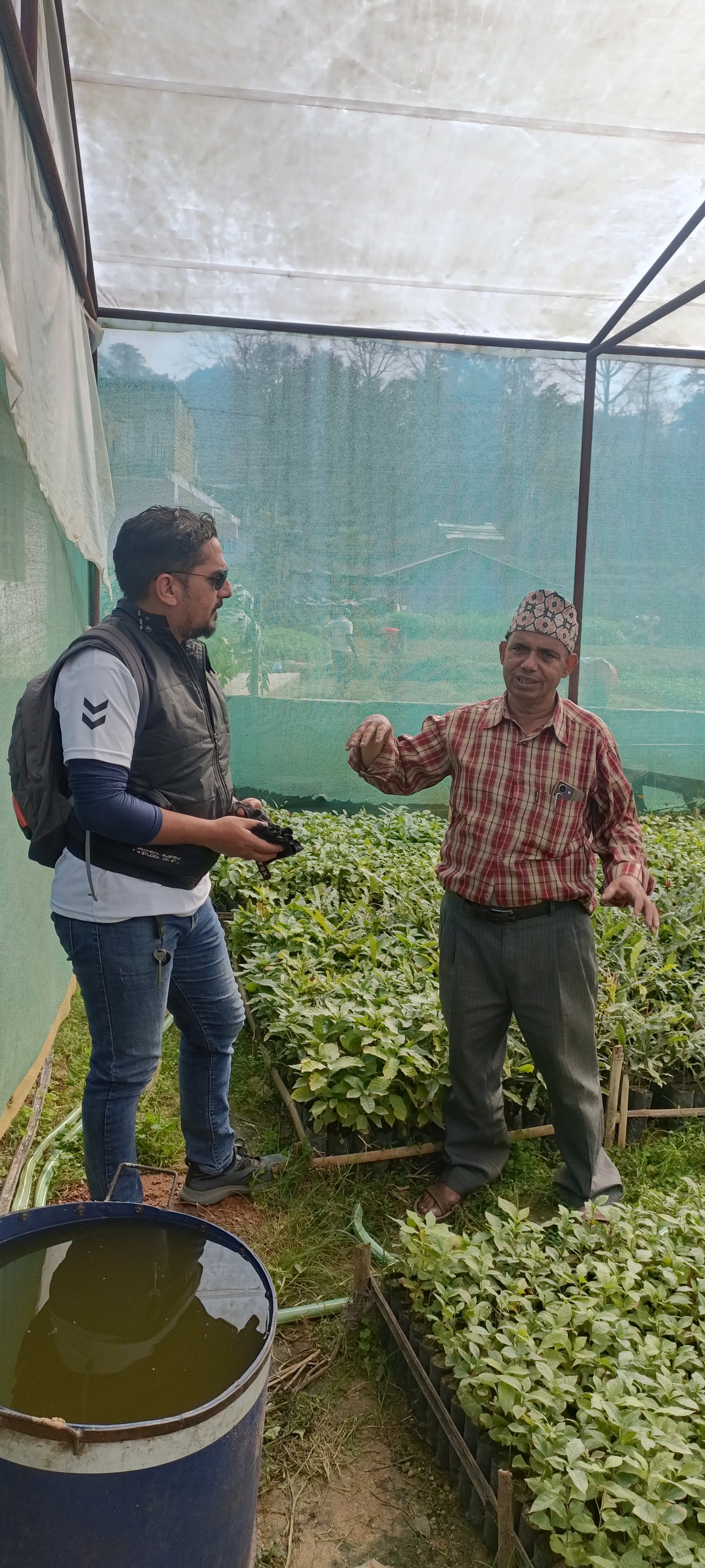
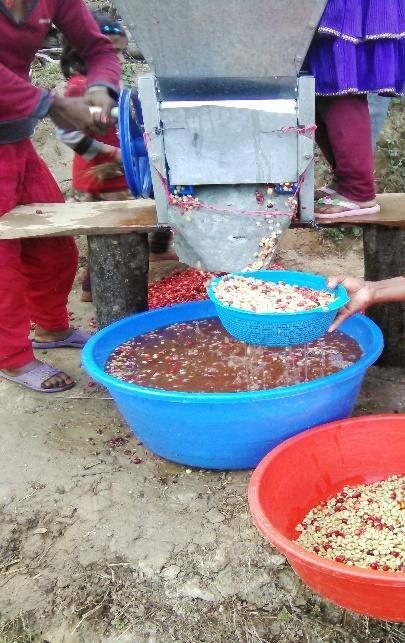
The first phase is plantation collaboration. Over time, the project aims to develop into a local collection and processing center—adding value to coffee produced in the region and helping connect growers with wider markets.
How the numbers work
10,000 plants is the ambition.
2,500 plants is the first test.
At roughly 2 m × 2 m spacing, each plant needs about 4 square metres. That gives a sense of scale:
- 2,500 plants
- ≈ 1 hectare equivalent
- 5,000 plants
- ≈ 2 hectares equivalent
- 10,000 plants
- ≈ 4 hectares equivalent
This does not mean one continuous 4-hectare plantation. The model is distributed planting: smaller plots spread across the land of farmers and communities who choose to take part, adding up over time. Actual spacing will vary with terrain and coffee variety.
A farmer network, for example
- 25 farmers × 100 plants
- = 2,500 plants
- 50 farmers × 200 plants
- = 10,000 plants
These are examples to show scale. They are not farmers who have signed up.
Counting plants that survive
Success is not seedlings handed out. What Parayati ultimately wants to track is plants that are established and still growing.
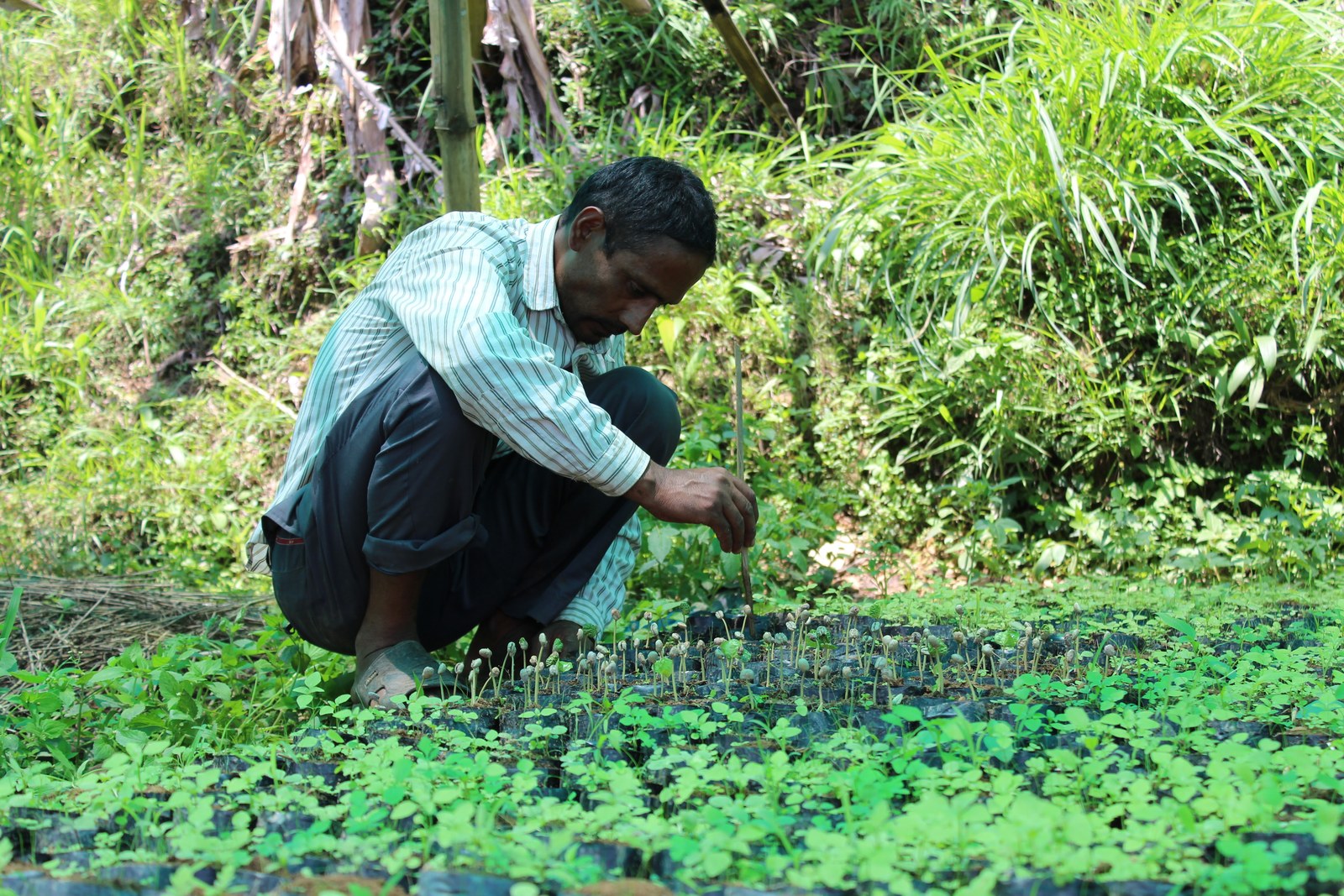
If the project wants 10,000 plants established in the field, more than 10,000 seedlings may need to be prepared and planted, because some losses are inevitable during nursery, planting and establishment.
Example only
At 85% survival, 10,000 established plants would require roughly 11,765 planted seedlings.
85% is an illustration, not an expected or guaranteed rate. Real survival will be measured.
Three phases
-
Phase 1
2,500 plants
- Build the farmer network.
- Test seedling sourcing.
- Coordinate planting.
- Learn what support farmers need.
- Measure survival.
-
Phase 2
5,000 plants cumulative
Expand only after the first phase is working.
-
Phase 3
10,000 plants cumulative
Scale once the way of working has been shown to hold up.
What we will track
These are the numbers we intend to report as the project moves forward. None are available yet.
- Seedlings prepared
- Seedlings planted
- Plants surviving after 12 months
- Participating farmers and landholders
- Participating locations
- Lessons from the first planting cycle
Why Kavre-Palanchok, and why Parayati
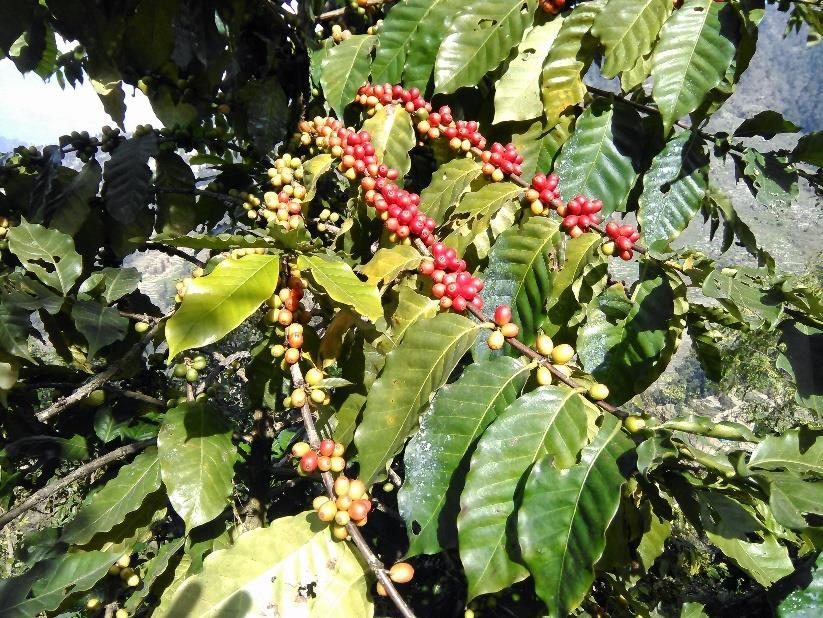
Kavre-Palanchok has an established history of coffee growing and room for coffee to develop further. The best way to find out where and how is to start with the people who live and farm there.
Parayati's founder, Aashish Adhikari, has a background in Nepal's coffee sector through Red Mud Coffee, and his family has ancestral ties to Kavre-Palanchok. Parayati wants to build practical, community-supported projects, not only publish and discuss.
Where things stand
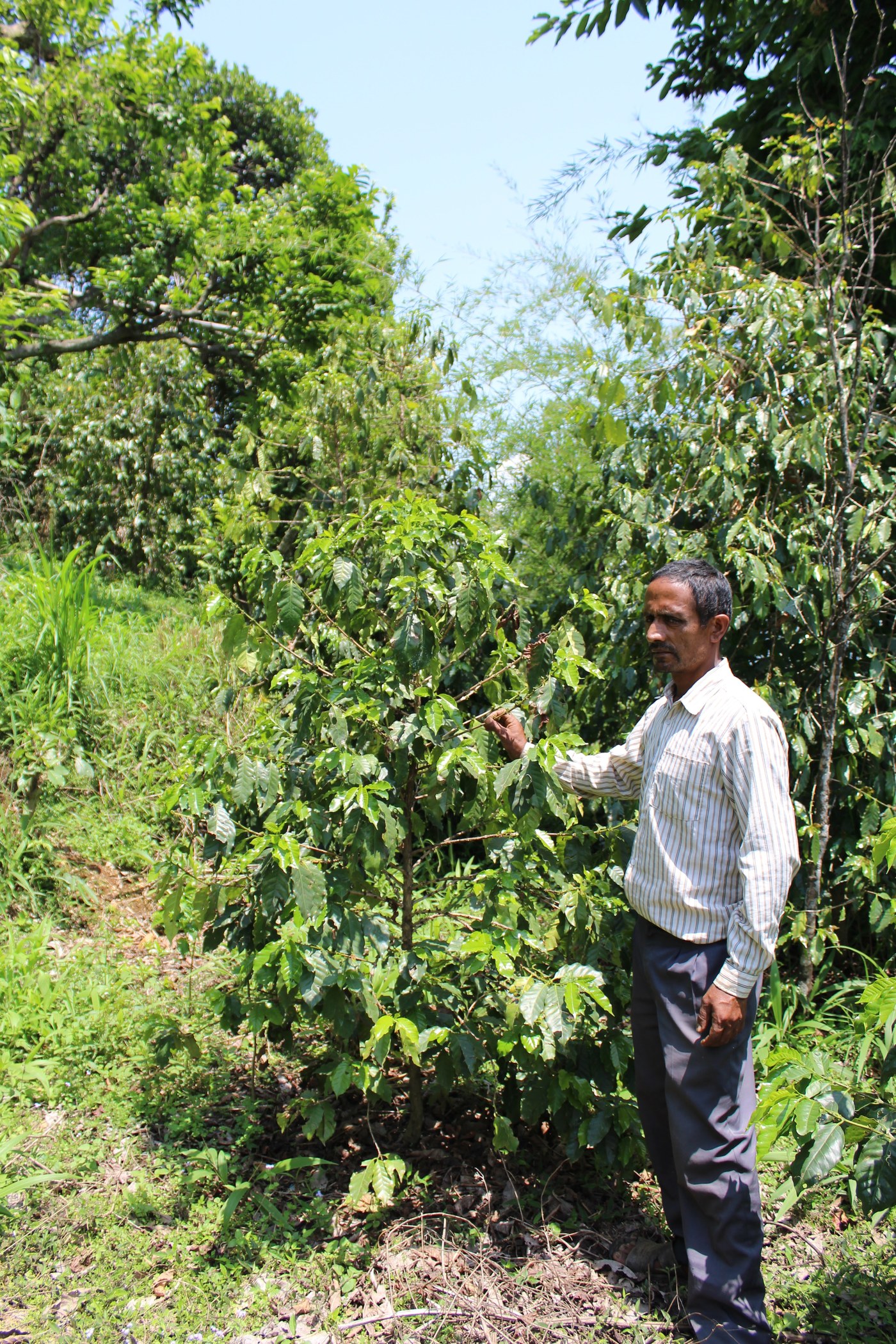
We are identifying farmers, landholders, local collaborators and people who want to help shape the project.
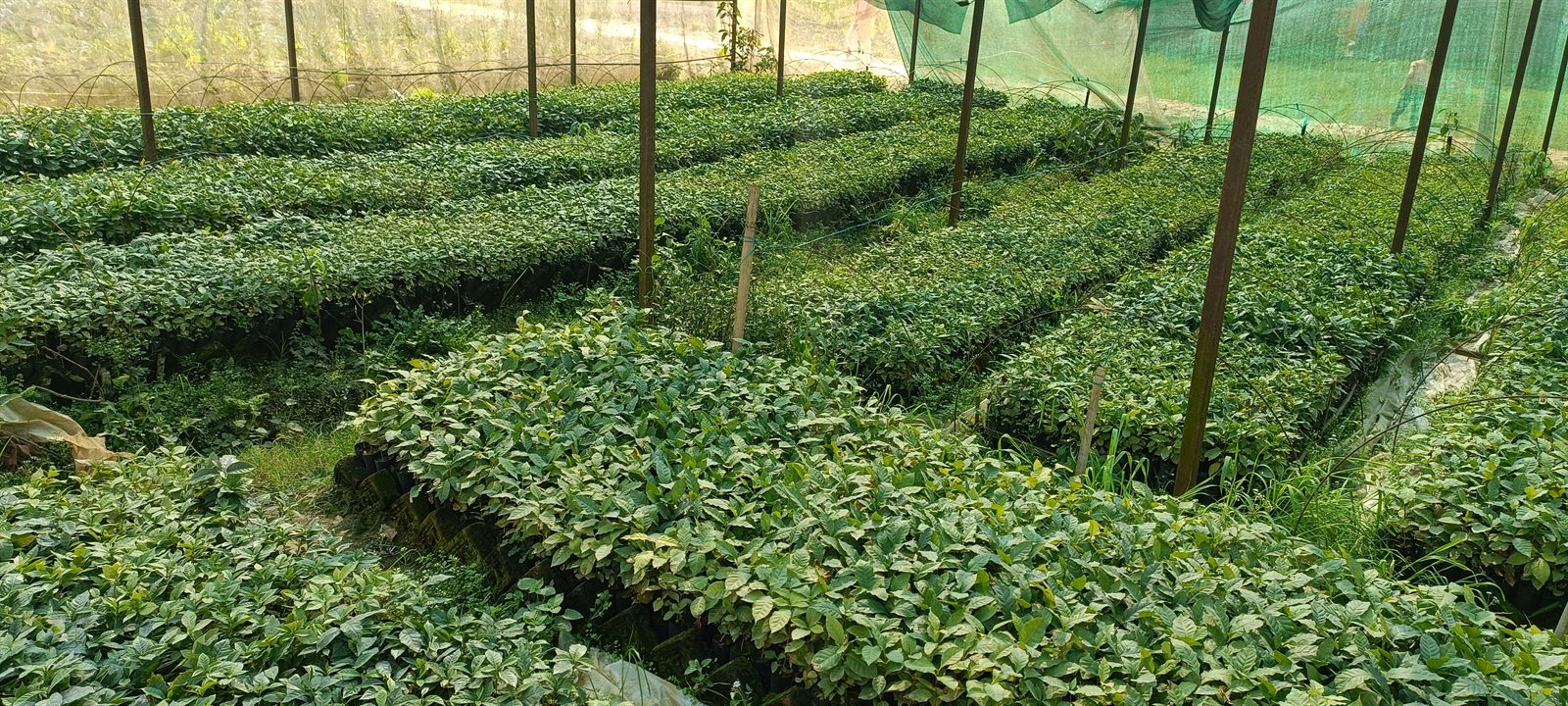
From nursery to harvest
Register interest
Tell us if you farm or hold land in Kavre-Palanchok, want to collaborate, would like the project document, or simply want to follow along.